First Skills For Calm Massage Practice
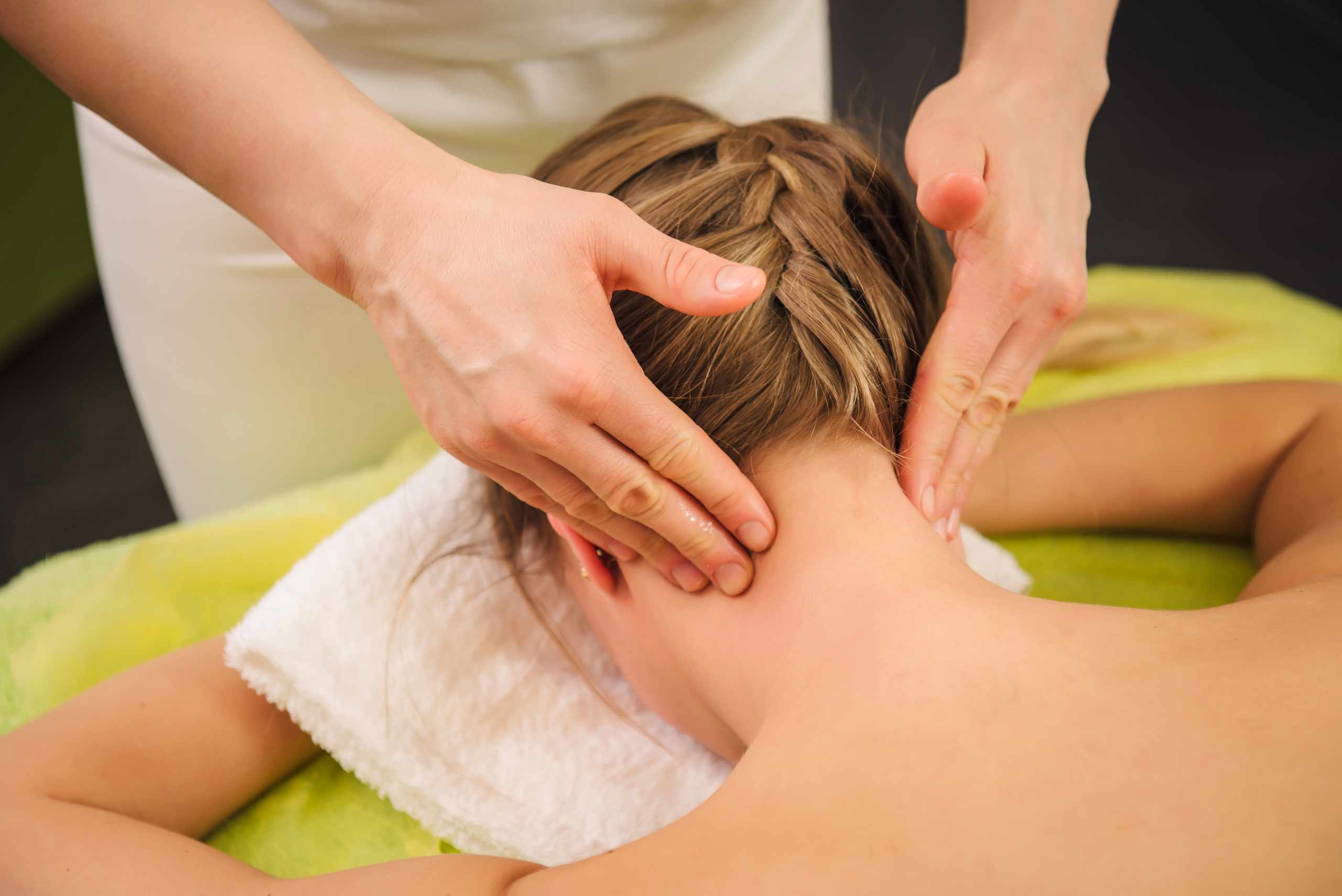
Pressure Scale
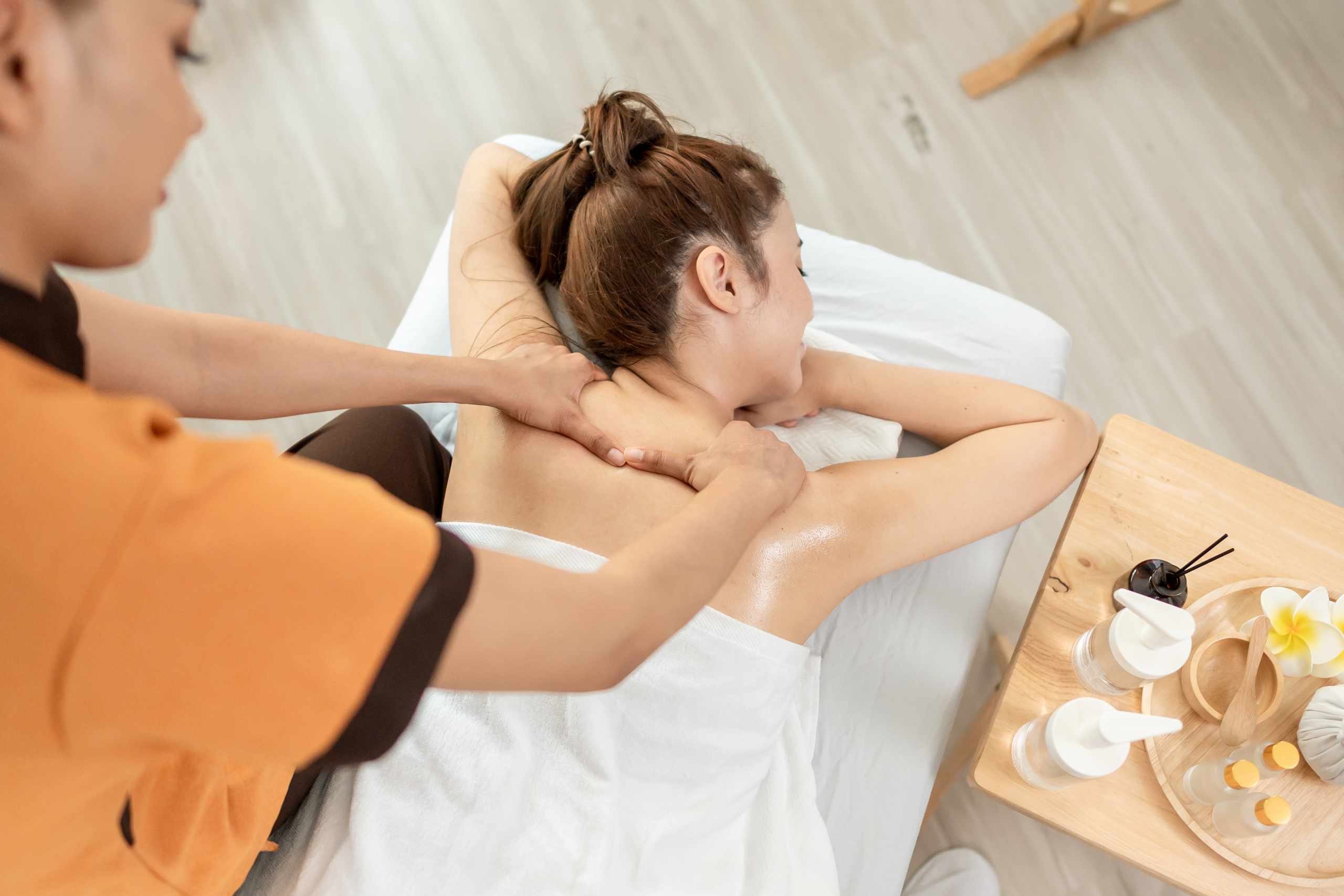
Practice light to moderate pressure so each gliding stroke feels controlled instead of heavy, sharp, or rushed.
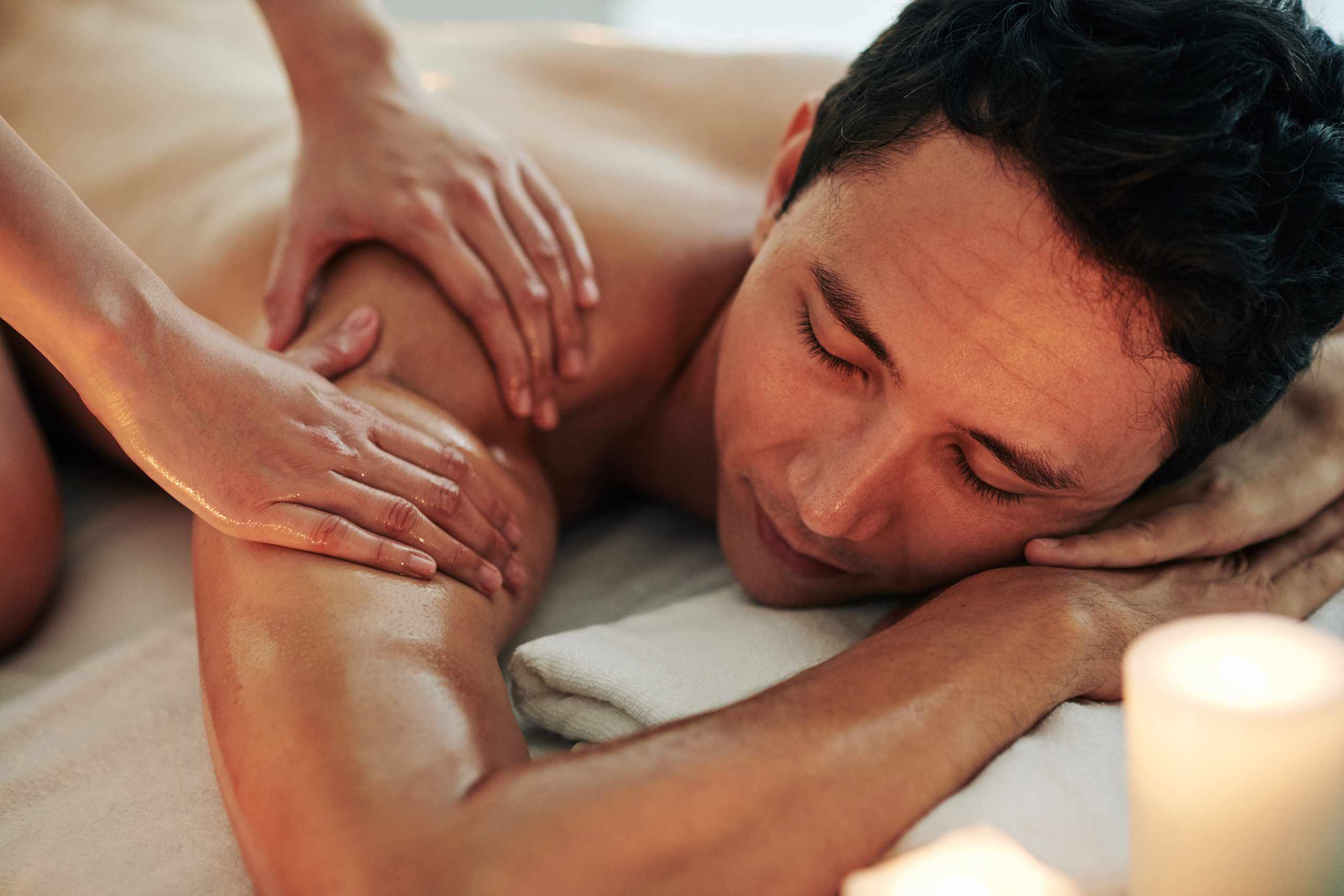
Palm Placement
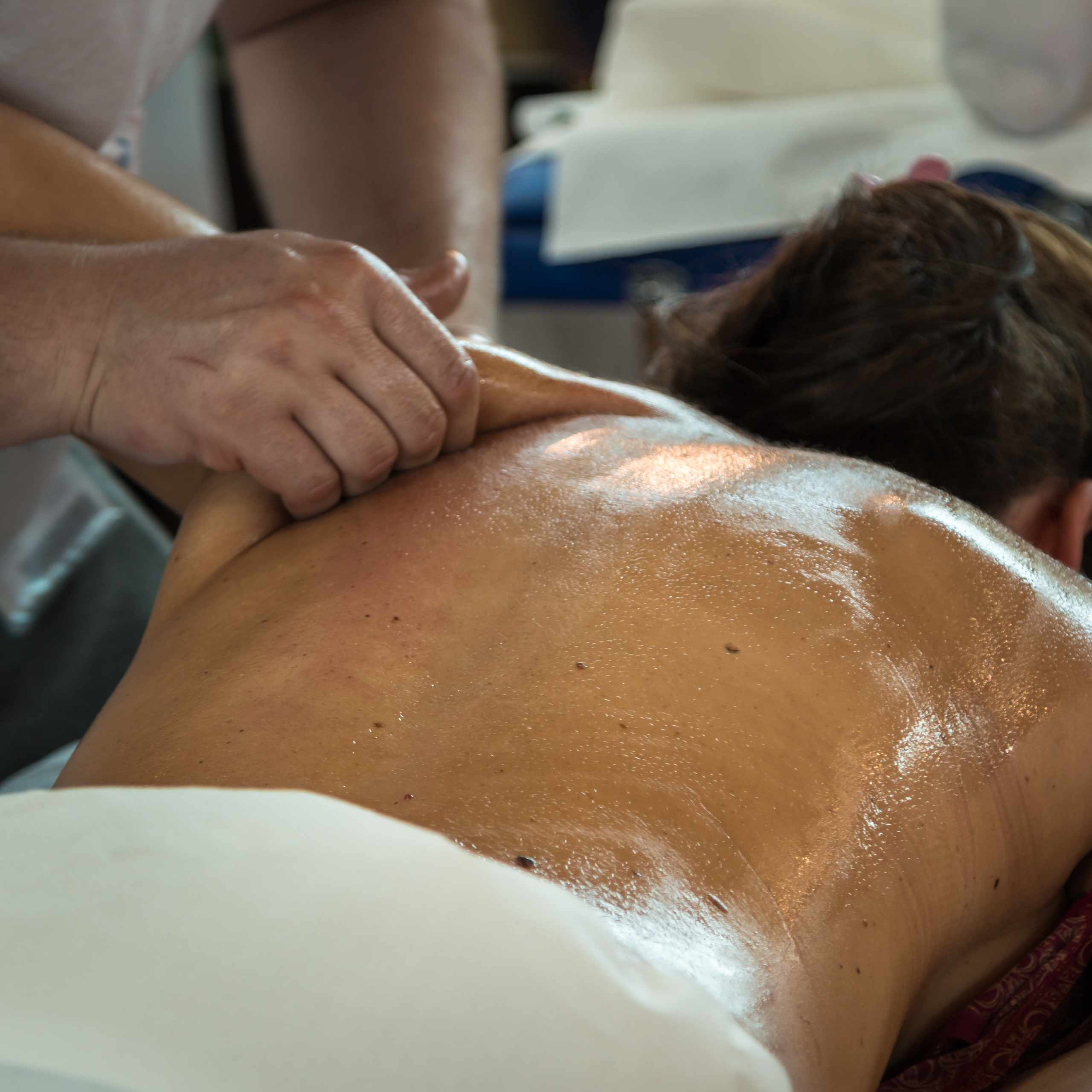
Use relaxed palms and steady hand contact before adding smaller fingertip, thumb, or circular movements.
Comfort Checks
Learn to ask clear pressure questions and adjust the next movement before discomfort turns into tension.
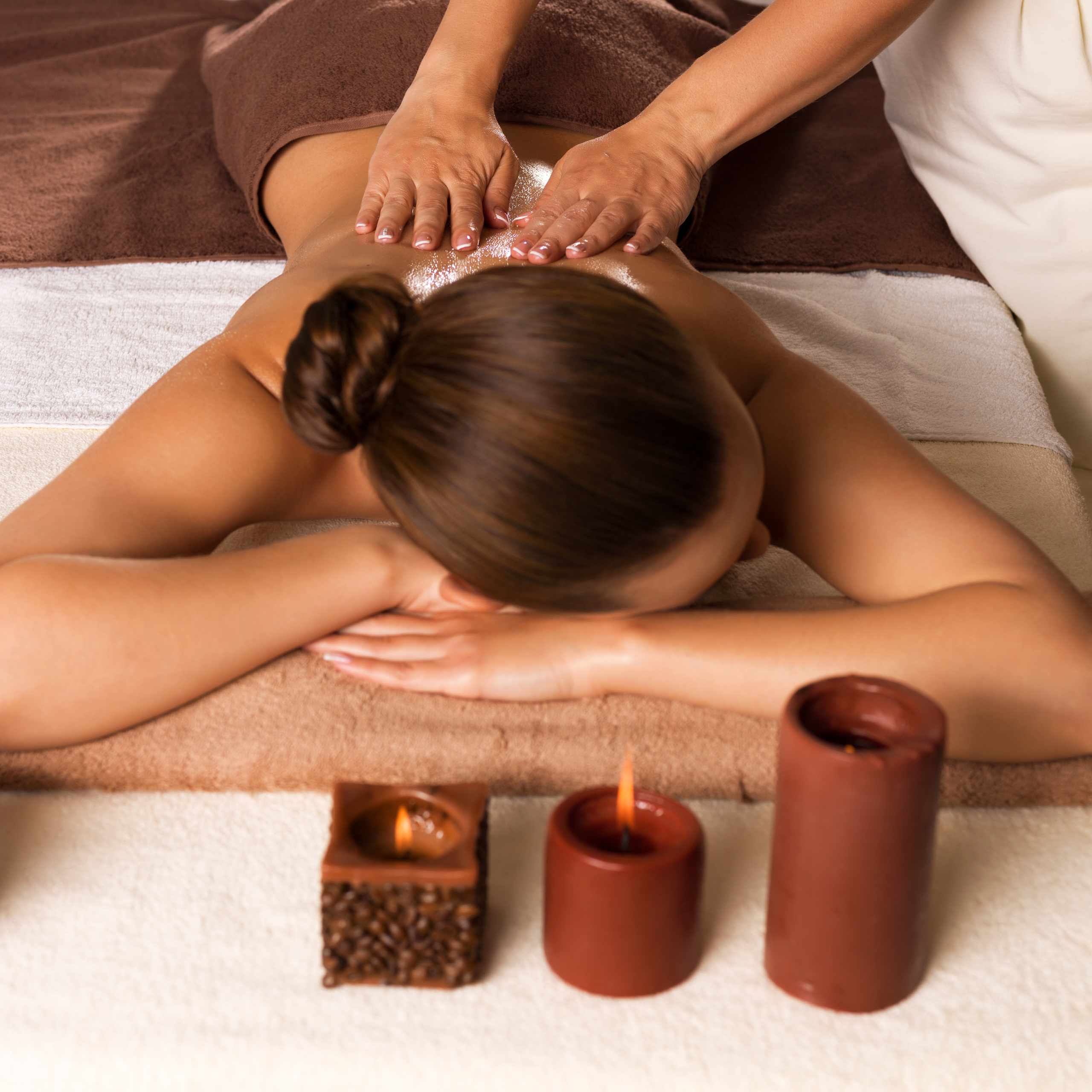
What RelaxTouch Helps You Notice
Rushed Rhythm
Slow the session flow so shoulders, arms, hands, or feet are not handled like a task to finish quickly.
Tense Hands
Notice when fingers, thumbs, or wrists start doing too much work and return to broader palm contact.
Abrupt Transitions
Practice moving from kneading to gliding strokes without sudden breaks, hard starts, or uneven pressure.
Unclear Setup
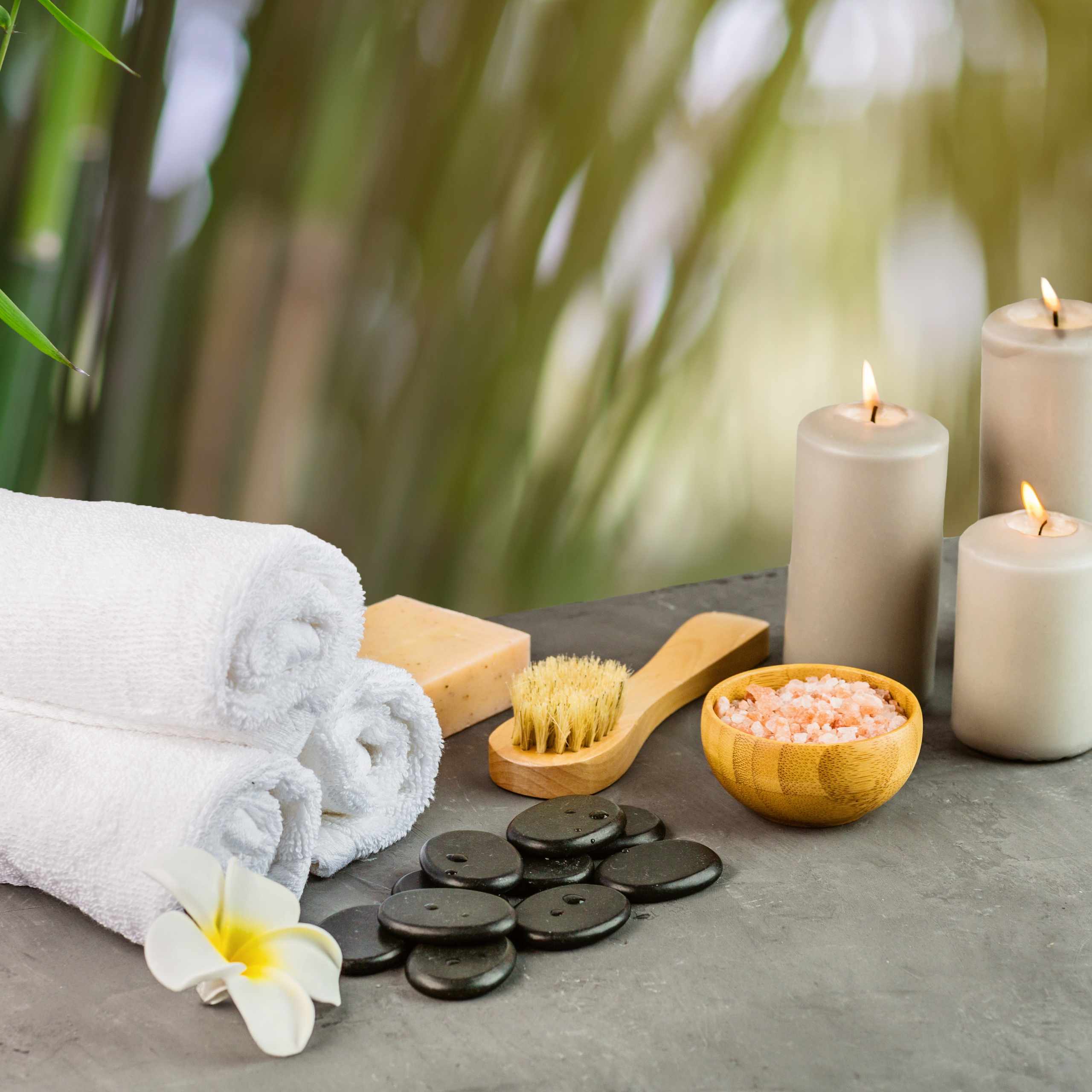
Learn how clean towels, support, surface height, and hand comfort can shape a calmer practice session.
Student Feedback
What Learners Notice In Practice
The pressure scale helped me stop guessing. I learned to ask better comfort questions and make each gliding stroke slower and easier to adjust.
Kiyomi Kuwabara
I used to rely on my thumbs too much. The palm practice made the movement feel steadier, and my wrists felt less tense during short sessions.

Yoshihiro Irie
The course made setup feel less confusing. Towels, support, slow rhythm, and clear boundaries now feel like part of the massage, not extra steps.